You can see there is more in the team than what is consistently showing up.
The talent may be there. The effort may be there.
The training may be getting done.
But when pressure rises, something changes.
The team tightens. Communication drops. Standards slip. Players go quiet, force things, blame, hesitate, or fall back into habits that do not match what was spoken about before the pressure arrived.
Pressure does not create the problem.
It reveals the pattern.
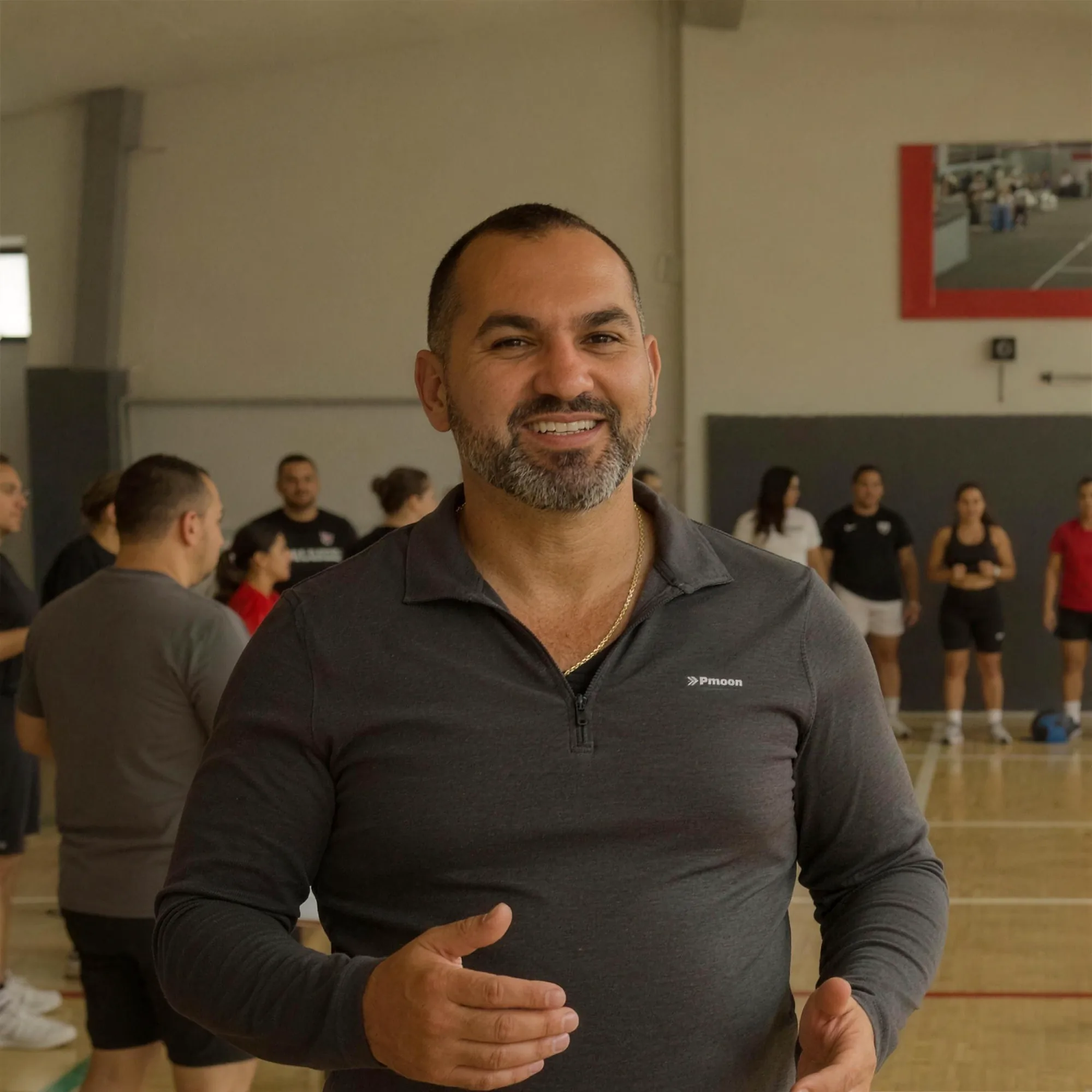
When pressure reveals what has actually been built
Every team talks about standards.
Every club talks about effort, accountability, discipline, commitment, and playing for each other.
But pressure has a way of cutting through what has been said and exposing what has actually been built.
How players respond after mistakes.
How coaches communicate when momentum shifts.
How leaders speak when the group is under strain.
How the team carries frustration, uncertainty, selection pressure, conflict, or disappointment.
The real work is not in saying the right things when everything is calm.
It is in what the team can still access when the game, season, or environment gets hard.
Want to see what this looks like when pressure hits? Click here to learn more.
When standards are spoken but not lived
Standards are easy to talk about. They are harder to make real.
A standard that is only spoken after it has been broken is not yet a standard. It is a reaction.
- Where accountability is valued - is it being requested?
- Where leadership is expected - is it being practised?
- Where pressure responses matter - have they been trained, held, and repeated?
Too often, teams mistake slogans for standards. The words are there, but the behaviour is not consistent enough yet.
Silence and vagueness are not neutral
What is not said inside a team still has an effect.
Silence in a team is rarely empty. It is often full of assessments, withheld requests, and promises nobody has checked.
Players make assessments about each other. Coaches make assessments about players. Leaders carry concerns they have not spoken cleanly.
A team can look aligned on the surface while avoiding the conversations that would make the alignment real.
That avoidance has a cost.
What the work focuses on
Filimon works with sporting teams and clubs to look underneath the visible performance issue and into how people observe, speak, listen, respond, commit, and act under pressure.
This is not technical coaching.
It is not tactical coaching.
It is not fitness work.
It is the work underneath those things - the way players, coaches, and leaders carry pressure, hold standards, communicate, recover from mistakes, and move together when the environment gets hard.
How the work can happen
This work is built around the real pressure points inside the team or club.
It may start with the coach, captain, leadership group, senior players, or the people responsible for shaping the team environment.
From there, the work may move into the full squad, a specific group, or a focused part of the season where the same breakdown keeps showing up.
That might mean pre-season work on standards and leadership, a mid-season reset when the group has lost form, or focused sessions around communication, response, accountability, and recovery under pressure.
Who this is for
This is for coaches, clubs, leadership groups, captains, senior players, and sporting programs that know the issue is not only technical, tactical, or physical.
Especially when the same conversations keep happening without changing what the team does when pressure rises.
Hover a section · click to enter
Start with a conversation
If the same pattern keeps showing up when the team is under pressure, start there.
Not with another speech. With a direct conversation about what is happening, what is not being said, what standards are not being held, and what the team needs to face more directly.